 FACEBOOK
 Google
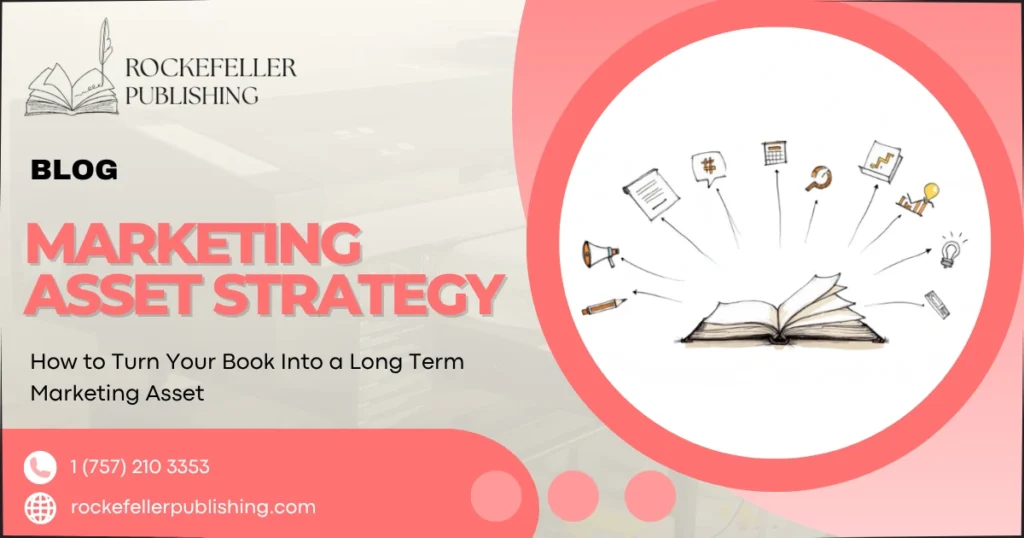
How Books Become Long-Term Marketing Assets for Authors
Author branding helps turn your book into more than a one time release. A strong book can support book marketing long after launch day because it gives readers a clear way to understand your message, experience and value. Business growth through books happens when authors use their book as a trust building tool for speaking client conversations, website content email outreach and long term visibility. A book becomes a marketing asset when it keeps working for your reputation after the first sale.
Why A Book Can Become A Long Term Marketing Asset
A book is not only a product. It can become a foundation for your personal brand and business message. When readers spend time with your ideas they learn how you think, what you value and why your experience matters.
Author branding works best when the book has a clear purpose. A business owner may use a book to explain their method. A coach may use a book to help readers solve a personal challenge. A consultant may use a book to show how clients can avoid common mistakes.
Book marketing becomes stronger when the book supports a bigger goal. Instead of promoting the book only for sales you can use it to build trust and create deeper conversations with the right audience.
A Book Gives Your Message More Depth
A website page or social post can introduce your work. A book gives you more room to explain your story and your ideas.
This depth helps readers understand your point of view. It also gives them a reason to remember you.
Business growth through books often starts with this deeper connection.
A Book Can Support Your Credibility
A professionally prepared book can show that you have organized your knowledge into a helpful resource.
It does not mean readers will trust you automatically. The book still needs useful content, clear writing and honest value. When the book delivers on its promise it can support your credibility over time.
Start With A Clear Brand Message
Before you use your book as a marketing asset you need to define the message behind it. Your brand message should explain who you help, what problem you address and why your perspective matters.
Confusion in author branding occurs if your book contradicts itself on your website or your social post to clients/customers/followers is off in another way. Be sure your messaging stays aligned all around the board.
A great takeaway helps your marketing feel more strategic, too. You dont need to cover every single thing. You just need to discuss the most important one. And to get your reader to see that.
Define The Core Promise Of Your Book
Your core promise tells readers what value they can expect. It should feel specific and honest.
A leadership book may help first time managers lead with confidence. A memoir may help readers feel understood during a difficult life season. A business book may help entrepreneurs solve a practical problem.
The promise should guide your title chapters content and promotion.
Match Your Book To Your Audience
A book becomes more useful when it speaks to a specific reader.
Think about the person who needs your message most. What questions do they ask? What problem do they want solved? And What outcome do they hope for.
When you know your reader you can shape your book marketing around their real needs.
Use Your Book To Build Author Branding
Author branding means helping people understand who you are as an author and why your work matters. Your book can become the center of that brand because it gives people a complete view of your message.
Your author brand should appear in your bio website social content podcast interviews email updates and speaking topics. The book should support all of these pieces.
This does not mean repeating the same line everywhere. It means keeping your message aligned so people recognize your expertise and purpose.
Build A Strong Author Bio
Your author bio should explain your experience in a simple and relevant way. It should tell readers why you wrote the book and why the topic matters to you.
Avoid broad claims that feel empty. Focus on your real background and the reader value connected to your work.
A strong bio supports trust and makes your author branding feel more complete.
Create A Consistent Author Presence
Your website Amazon Author Central page social profiles and media materials should use consistent details.
Use the same author name, book title message and professional tone. This helps readers recognize you across different platforms.
Consistency makes book marketing easier because every channel supports the same identity.
Turn Book Chapters Into Ongoing Content
A book gives you more than one launch campaign. It gives you a library of ideas that can support months or years of content.
Each of the chapters in the book could be broken down into articles, emails, social posts, video scripts, webinars, podcasts, speeches etc… This allows you to market your book constantly without selling over and over the same pitch.
Book marketing becomes more natural when you share useful ideas from the book instead of only asking people to buy it.
Create Articles From Key Ideas
Select a central concept from one chapter of the text. Use it as the topic for an article. The article must address an authentic reader’s question and tie in to the book’s main topic.
This can support search visibility and give new readers a useful entry point into your work.
Over time these articles can help your website become more helpful for people searching around your topic.
Use Short Posts To Keep The Message Alive
Short posts can highlight one lesson, one quote, one story or one reader problem from the book.
Keep each post focused. Do not try to explain the whole book in one update.
Small useful posts help readers remember your message and may bring new people into your audience.
Use Your Book In Client And Business Conversations
A book can support business growth when it helps potential clients understand your thinking before they work with you. It can answer common questions and explain your approach in a way that feels helpful.
Business growth through books does not always come from book sales alone. It may come from stronger trust, better conversations, speaking invitations, lead generation and professional credibility.
A book can help people decide whether your values and expertise match what they need.
Share Your Book With Potential Clients
You can share your book with prospects who need more context about your work. A book gives them time to understand your ideas before making a decision.
This works best when the book genuinely helps the reader. It should not feel like a long sales brochure.
A useful book creates trust because it gives value before asking for commitment.
Use The Book As A Conversation Starter
A book can open doors for interviews, events panels, workshops and business meetings.
You can discuss the topic behind the book rather than only promoting the title. This makes the conversation more valuable for the audience.
The book becomes proof that you have thought deeply about the subject.
Build A Website Around Your Book Message
Your website can turn your book into a long term marketing asset. It gives readers a place to learn about you, your book, your services and your message.
A simple website can include your author bio book page contact details media section blog and email signup.
Author branding improves when your website clearly connects the book to your larger professional story.
Create A Dedicated Book Page
A book page should explain what the book is about who it helps and where readers can find it.
Add the cover image author bio short summary and clear call to action. Keep the page easy to read.
This page can support book marketing because it gives you one link to share across email social posts podcasts and events.
Add Reader Focused Blog Content
Blog content should answer questions your audience already asks.
For example a business author can write about leadership mistakes client trust or growth lessons. A memoir author can write about the theme behind the story. A coach can write about practical steps connected to the book.
Helpful content supports long term visibility and gives readers more reasons to return.
Grow An Email List With Your Book
An email list gives authors a direct way to stay connected with readers. Social platforms can change but email gives you a more stable relationship with people who choose to hear from you.
You can use your book to invite readers into your email list. Offer helpful updates, insights, bonus materials or new articles related to the book topic.
Book marketing works better when you keep giving value after the first contact.
Offer A Helpful Reader Resource
You can create a simple reader resource connected to the book. This might be a checklist guide worksheet reading notes or chapter companion.
The resource should help readers use the book more effectively.
This kind of value can support affordable book marketing because it builds interest without requiring a large ad budget.
Send Useful Follow Up Emails
Your emails should not only promote. Share short lessons behind the book updates from your author journey and answers to reader questions.
When readers find your emails helpful they may become more likely to remember your book and share it with others.
Use Speaking And Interviews To Extend The Book
A book can help authors get invited to podcasts, webinars, workshops panels and local events. These opportunities can introduce your message to new readers and potential clients.
You do not need to wait for large media coverage. Start with relevant communities and smaller platforms that match your topic.
Business growth through books often grows through steady trusted conversations.
Pitch Topics Not Just The Book
When you reach out to a podcast or event organizer, offer a topic that helps their audience.
A business author can speak about mistakes founders should avoid. A leadership author can speak about building better teams. A memoir author can speak about lessons from a meaningful journey.
This approach makes your pitch more useful and less promotional.
Prepare Strong Talking Points
Prepare three to five ideas from your book before every interview or event.
Keep your points clear and practical. Mention the book naturally when it fits the conversation.
This helps you promote your book while still giving the audience real value.
Keep Book Marketing Active After Launch
Many authors promote heavily during launch week and then stop. That limits the long term value of the book.
Book marketing should continue after publication. Your book can keep supporting your brand through new content reader conversations, interviews, events emails and website updates.
A long term plan helps the book stay useful beyond the first release.
Create A Monthly Promotion Theme
Choose one theme from your book each month. Build posts, emails, articles and talking points around that theme.
This keeps your message fresh without creating random content.
It also helps readers understand the different ideas inside your book over time.
Track What Creates Interest
Watch which articles, emails posts and interviews create the most response.
Reader questions can show what people care about. Website traffic can show which topics attract search interest. Email replies can show what your audience wants next.
Use this feedback to improve future content and author promotion.
How Rockefeller Publishing Helps Authors Build Long Term Value
Rockefeller Publishing helps aspiring authors, first time authors entrepreneurs and professionals turn ideas into professionally prepared books.
The company provides ghostwriting editing, proofreading formatting, publishing guidance author branding and strategic launch support. This can help authors build books that support credibility, visibility and long term goals.
For authors who want a book that works beyond launch day Rockefeller Publishing offers a structured process from idea to publication.
Conclusion
A book becomes a long term marketing asset when it supports your author branding book marketing and business goals after launch. It can strengthen your credibility, create useful content, support client conversations and open doors to new opportunities.
The key is to treat your book as part of your wider message. Keep sharing helpful ideas from it. Build your website around it. Use it in speaking and outreach. Let it support trust over time.
Get a Free Consultation from Rockefeller Publishing!
FAQs (Frequently Asked Questions)
What is author branding?
Author branding is the way readers understand your identity message expertise and value as an author. It includes your book website bio content and public presence.
How can a book help with business growth?
A book can support business growth by building trust, explaining your expertise and creating deeper conversations with readers, clients and professional contacts.
What is book marketing?
Book marketing is the process of helping the right readers discover, understand and engage with your book before and after publication.
Can one book become a long term marketing asset?
Yes. A book can support content creation, email outreach, speaking opportunities, client trust and author branding for years after launch.
How do I use my book for author branding?
Use your book message across your website author bio social content emails interviews and speaking topics so readers recognize your expertise.
Should I build a website for my book?
Yes. A website gives readers one place to learn about you, your book, your message and how to stay connected.
What should I include on a book page?
A book page should include the cover image book summary author bio reader benefits and a clear action such as buying the book or joining your email list.
How can chapters become marketing content?
Each chapter can become blog posts, emails, social posts videos podcast topics workshops and speaking points.
Can email help book marketing?
Yes. Email helps authors stay connected with readers and share useful updates, book insights, resources and launch news.
Is social media enough for book marketing?
Social media can help but it should not be your only plan. A website email list interviews events and reader communities can also support long term visibility.
How can speaking help promote a book?
Speaking allows authors to share ideas from the book with a live audience. It can build trust and create new reader interest.
What is affordable book marketing?
Affordable book marketing means using practical low cost methods such as email website content social posts interviews communities and events to reach readers.
How long should I promote my book?
You should continue promoting your book after launch. Many books gain value over time through steady content reader recommendations and author visibility.
Do I need professional support to turn my book into a marketing asset?
You can do some steps yourself but professional support can help with writing editing, publishing preparation, author branding and launch planning.
How can Rockefeller Publishing help me?
Rockefeller Publishing helps authors with ghostwriting editing, proofreading formatting, publishing guidance, author branding and strategic launch support from idea to published book.
Turn your book into a powerful marketing tool. Visit Rockefeller Publishing to get started.