 FACEBOOK
 Google
Lessons from *Heartstopper* for Aspiring Graphic Novelists
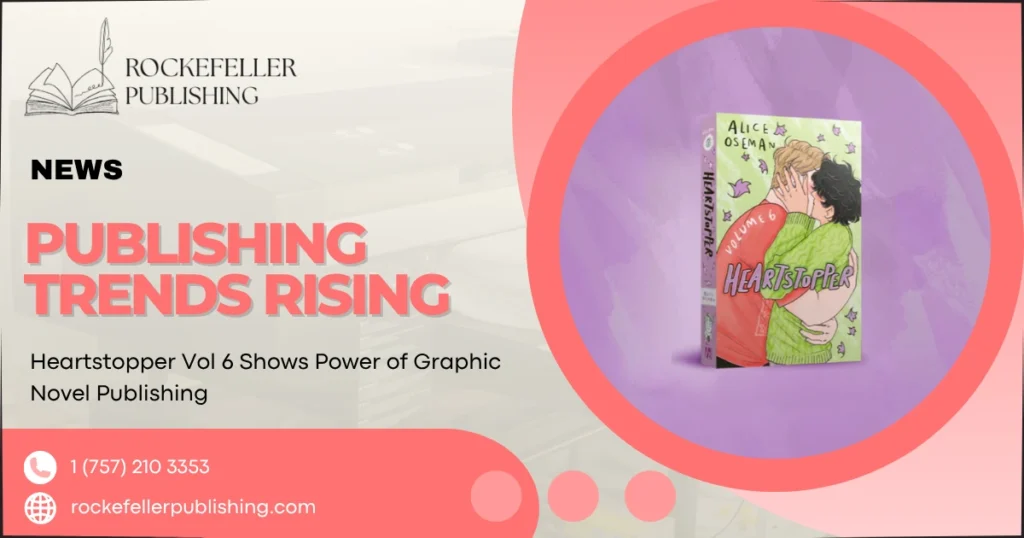
Heartstopper Vol 6 has reached the top of the U.S. bestseller conversation and it gives authors a clear lesson about graphic novel publishing. Alice Oseman’s final volume did not grow from one lucky launch. It grew from a strong series identity, a loyal reader base, visual storytelling and a screen adaptation that kept the audience engaged.
Publishers Weekly listed Heartstopper Vol 6 as the number one book in the country for its July 20 2026 bestseller coverage. The same report noted that the Netflix finale movie Heartstopper Forever arrived on July 17 and that the first five book installments have sold 1.8 million print copies to date. For authors this moment shows how a book series can build power when story format design, audience and media timing work together.
Heartstopper Vol 6 Becomes the Number One Book
Heartstopper Vol 6 landed at number one on Publishers Weekly’s overall bestseller list. The list identifies the book as Heartstopper 6 A Graphic Novel Volume 6 by Alice Oseman. It also shows Graphix as the publisher with a 448 page edition priced at 19.99 dollars.
For the publishing industry this is a strong signal. A graphic novel can lead the national book conversation when the story has a clear audience and a strong emotional connection.
Why This Bestseller Moment Matters
Many authors still think graphic novels belong only to a small niche. Heartstopper proves otherwise. A visual story can reach young readers, parents, booksellers, librarians and streaming audiences at the same time.
This kind of success does not happen by accident. It comes from clear positioning. Readers know what Heartstopper offers. They expect romance, coming of age, emotional friendship identity and gentle visual storytelling.
When a book gives readers a clear experience it becomes easier to recommend.
Why Graphic Novels Are Winning Young Readers
Graphic novels speak to readers through both words and images. That makes the format powerful for young adult stories, children’s books, memoir inspired stories and emotional fiction.
Some readers connect faster when they can see facial expressions setting details and character movement on the page. A strong image can say what a paragraph may take longer to explain.
Visual Storytelling Creates Fast Connection
A graphic novel does not simply add pictures to a story. The art carries meaning. The layout controls pacing. The panels guide attention. The empty space between moments can create emotion.
Authors who want to write visual books need to think differently. They must ask what the reader should see, feel and understand on each page.
That is why graphic novel publishing needs planning from the start. A story may sound strong in prose but still need a different shape when it moves into panels.
How Netflix Helped Expand the Book Audience
Netflix helped Heartstopper reach beyond the book shelf. The screen adaptation introduced Nick Charlie and their world to viewers who may not have discovered the graphic novels first.
Netflix also released Heartstopper Forever on July 17 as a finale movie. On Tudum Alice Oseman described the film as an emotional send off and a celebration of what the story means to fans.
Book to Screen Success Starts With Reader Love
A screen adaptation can bring new attention but it works best when the book already has a strong emotional core. Viewers often become readers when they want more detail, more scenes or a deeper connection with the characters.
That is one reason books screen momentum matters for authors. It can bring old readers back and bring new readers in.
For self published and first time authors the lesson is simple. A story does not need a Netflix deal to grow. It needs characters readers care about and a clear world they want to revisit.
What Authors Can Learn From Series Publishing
Heartstopper grew as a series not as a single isolated book. Each volume gave readers another reason to return. That return behavior can build long term sales.
Series publishing works because it turns one reader decision into many future decisions. When readers enjoy the first book they often want the next one. That creates stronger lifetime value for the author.
A Series Needs a Clear Promise
A strong series has a promise readers understand quickly. That promise may come from the characters, the genre, the setting, the emotional tone or the central conflict.
Heartstopper gives readers a warm emotional and character driven experience. Readers know the feeling they will get before they open the next volume.
Authors should define their own promise early. A fantasy series may promise adventure and growth. A children’s series may promise comfort and learning. A memoir series may promise personal truth and reflection.
The clearer the promise the easier the series becomes to market.
Why Cover Design and Visual Identity Matter
Graphic novel readers notice the look of a book immediately. Cover design color style character expression and format all shape the first impression.
A strong visual identity helps readers remember the book. It also helps a series look connected on shelves online stores and social media.
Readers Judge the Full Package
Authors sometimes focus only on the manuscript and ignore the package. That can hurt sales. Readers make quick decisions when they scroll online or browse in stores.
The cover needs to match the genre. The title needs to feel clear. The description needs to explain the reader’s experience. The sample pages need to look professional.
A good story deserves a book package that earns trust before the first page.
How Children’s Book Authors Can Build Reader Loyalty
Heartstopper sits in the young adult graphic novel space but its success offers lessons for children’s book authors too. Young readers often return to familiar characters, familiar art styles and familiar emotional worlds.
Parents and librarians also look for books that feel age appropriate, polished and meaningful. That means children’s book publishing needs both creativity and care.
Consistency Helps Young Readers Return
Children and young adult readers often build strong attachments to characters. When a series gives them consistency they feel safe returning to it.
Authors can build that connection through repeated characters, a clear tone, strong illustrations and themes that grow with the audience.
This matters for children’s book publishing because loyalty can continue across multiple books, school recommendations, library placement and family word of mouth.
What This Means for U.S. Authors
The success of Heartstopper Vol 6 shows that graphic novels now carry serious commercial power in the U.S. book market. The format can support emotional storytelling reader loyalty and cross media attention.
Authors should not treat graphic novels as simple illustrated books. They need story planning script development, visual pacing, character design editing, formatting and print quality.
Graphic Novel Publishing Needs a Team Mindset
A graphic novel often involves more collaboration than a standard prose book. Writers may work with illustrators, letterers, editors, designers and formatters.
Every role affects the final reading experience. A weak layout can slow the story. Poor lettering can make reading difficult. Inconsistent character art can break trust.
Authors who want to publish graphic novels should plan time and budget for the full creative process.
Conclusion for Authors
Heartstopper Vol 6 reaching number one shows how powerful graphic novel publishing can become when the story has a clear audience and emotional pull. The bestseller moment also shows why series planning screen adaptation timing visual identity and reader loyalty matter.
For authors in the United States the real lesson is not to chase a trend. The better move is to build a book readers can understand quickly and recommend easily.
A strong graphic novel needs more than art. It needs a focused story, clear characters, polished design and a publishing plan that helps readers find it.
Rockefeller Publishing helps authors with book publishing children’s book publishing ebook publishing editing formatting cover design illustration guidance and launch planning.
Get a Free Consultation from Rockefeller Publishing.
FAQs (Frequently Asked Questions)
What is Heartstopper Vol 6?
Heartstopper Vol 6 is the final volume in Alice Oseman’s young adult graphic novel series.
Why is Heartstopper Vol 6 important in publishing?
It shows that graphic novels can lead major bestseller lists and reach readers across books streaming and social media.
Who wrote and illustrated Heartstopper Vol 6?
Alice Oseman wrote and illustrated Heartstopper Vol 6.
Who published Heartstopper Vol 6?
Publishers Weekly lists Graphix as the publisher of Heartstopper Vol 6.
What does Heartstopper teach authors about series publishing?
It shows that a clear emotional promise and loyal characters can bring readers back across multiple books.
Why do graphic novels attract young readers?
Graphic novels combine words and images. This helps readers connect with characters’ setting and emotion more quickly.
Can self published authors create graphic novels?
Yes self published authors can create graphic novels but they need strong planning editing illustration formatting and print quality.
Why does cover design matter for graphic novels?
Cover design creates the first impression. It helps readers understand the genre tone and visual style before buying.
How can screen adaptations help book sales?
A screen adaptation can introduce the story to new viewers and encourage them to buy or revisit the original books.
How can Rockefeller Publishing help graphic novel authors?
Rockefeller Publishing can help authors with story planning editing formatting cover design illustration guidance publishing support and launch planning.
Ready to publish your graphic novel? Visit Rockefeller Publishing and get started today.