 FACEBOOK
 Google
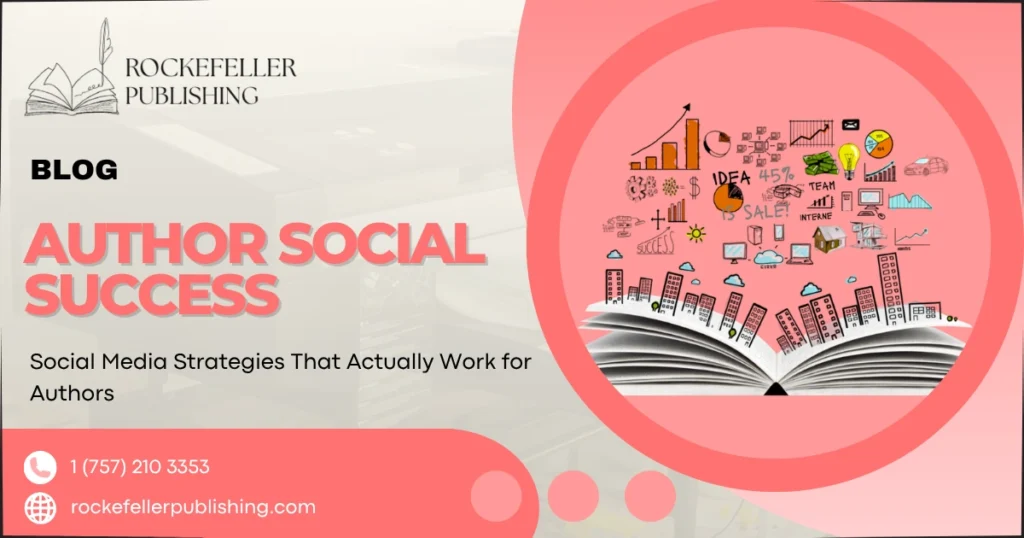
The Power of Steady Visibility in Author Social Media
Author social media works best when authors stop posting random updates and start sharing useful content that speaks to real readers. Strong book promotion online begins with a clear message, a consistent voice and a plan for helping people understand why your book matters. Author marketing tips should focus on trust reader connection and steady visibility rather than quick sales pressure. If authors want social media to work they need to show up with value before asking people to buy.
Why Social Media Matters For Authors
Social media allows authors to connect with their readers at pre-publication and post-publication stages of the book. The author gives insight to the reader about the subject matter of the book, reason of writing and author’s persona.
A book page can sell the book. Social media can start the conversation that leads readers there.
Author social media does not need to feel loud or fake. It should help readers understand your message. It should also give them a reason to remember your name when they later see your book.
Readers Want More Than A Buy Link
Readers rarely connect with a book through one sales post. They may need to see your ideas, your story and your voice several times before they care enough to click.
This is why book promotion online should not only say buy my book. It should explain the value behind the book.
Trust Comes From Consistency
A single post can create attention. Consistent posts can build trust.
Authors who share useful ideas over time make it easier for readers to understand what they write about and why it matters.
Start With A Clear Author Message
Before choosing platforms or post ideas authors need a clear message. Your message should explain what you write about who you help and why readers should care.
Without this message your content may feel scattered. One day you post about your book. The next day you post about unrelated topics. Readers may not understand what to expect from you.
Author marketing tips work better when your message stays focused.
Define Your Main Topic
Choose one main topic that connects to your book.
A business author may focus on leadership, client trust or entrepreneurship. A memoir author may focus on healing courage or life change. A self help author may focus on one reader problem.
Your posts can explore related ideas but your main topic should remain clear.
Speak To One Reader
Imagine one person who needs your book. Think about their questions, fears, goals and daily life.
Write posts for that person. This keeps author social media personal and direct.
Choose The Right Social Platforms
Authors do not need to post everywhere. They need to choose platforms where their readers already spend time.
Book the Business News Newsletter, Podcast, or even a business professional’s conference because most will generally relate more with activities and content relevant to their current business pursuits. Whereas the majority will enjoy book clubs, fan pages, communities, and social media networks dedicated to story discussion.
Book promotion online works better when the channel matches the reader.
LinkedIn For Business Authors
LinkedIn can work well for business authors, consultants, entrepreneurs, coaches and professionals. These readers often look for insight leadership stories and useful lessons.
Share ideas from the book. Explain problems your readers face. Use real professional experience to make the post useful.
Instagram Facebook And Reader Communities
Instagram and Facebook can help authors share stories, book updates behind the scenes, moments reader questions and launch content.
Reader groups and book communities can also help but authors should respect group rules. Join conversations before sharing links.
Create Content That Helps Readers
Helpful content performs better than constant promotion. Readers need a reason to follow you before they need a reason to buy.
Strong author social media can include lessons from the book, personal writing notes, reader questions, short stories, chapter insights and practical tips.
Each post should connect with the reader’s needs. If the post only promotes the book it may feel tiring.
Share Lessons From Your Book
Choose one lesson from a chapter and turn it into a short post.
Do not explain the whole chapter. Give readers one useful idea. Then connect it naturally to the book topic.
This keeps your content helpful and focused.
Answer Reader Questions
Think about what readers ask before buying a book like yours.
A first time author may ask how publishing works. A business owner may ask how to build trust. A memoir reader may ask how a story connects with their own life.
Answering questions gives your content a purpose.
Use Stories To Build Connection
People remember the stories. In stories, you can let your reader know how and why you wrote the book, why your problem inspired it and what you can do after that.
Stories make author marketing feel human. They help readers see the person behind the book.
Book promotion online becomes stronger when readers connect with your journey.
Share The Reason Behind The Book
Tell readers what made you write the book. Keep it honest and simple.
Share a moment that changed your thinking, explain a problem you see often, or describe the kind of reader you wanted to help.
This helps readers understand the heart of the book.
Show Your Writing Journey
Readers enjoy seeing how a book comes together. Share small updates from drafting, editing cover design formatting and launch preparation.
These updates help readers feel included before release day.
Turn Your Author Website Into A Social Media Hub
Social media should not stand alone. Your author website gives readers one clear place to learn more after they see your posts.
Use your website to host your book page author bio blog email signup and contact details. Then use social media to guide interested readers there.
Author branding becomes stronger when your social profiles and website share the same message.
Link To A Clear Book Page
Do not send readers to a confusing page. Give them a simple book page with the cover summary, reader benefits and buying options.
A clear page helps turn social interest into action.
Grow An Email List From Social Traffic
Social platforms can change. Email gives authors a direct way to stay connected with readers.
Invite followers to join your email list for book updates, bonus notes or useful tips connected to the book topic.
Build A Simple Weekly Posting Plan
Authors often struggle because they post only when they feel inspired. A simple weekly plan makes author social media easier.
You do not need daily posts. You need consistent useful posts that match your message.
A weekly plan can include one reader tip, one personal story, one book update and one question for your audience.
Use Content Pillars
Content pillars are the main types of posts you share.
For example an author may use these pillars.
Book lessons
Author journey
Reader questions
Launch updates
This keeps your content balanced and easier to plan.
Repeat Ideas In Fresh Ways
You can share the same main message more than once. Change the angle.
One post can explain a reader’s problem. You could share a story in another post. A practical tip might work well for the next one. You can also connect the idea to your book.
Repetition helps readers remember your message.
Avoid Common Social Media Mistakes
Many authors waste time on social media because they post without a strategy. Some share only buy links, while others copy trends that do not fit their audience. Many also disappear after launch week, making it difficult to build lasting engagement.
These mistakes reduce trust and make promotion feel weak.
Author marketing tips should help authors stay focused on readers rather than chasing every trend.
Do Not Post Only Sales Messages
If every post asks people to buy the book, readers may stop paying attention.
Give value first. Share helpful ideas. Ask useful questions. Tell real stories.
Then promote the book naturally.
Do Not Chase Every Trend
A trend may bring attention but it may not bring the right readers.
Choose trends only when they match your voice topic and audience. Your brand matters more than quick noise.
Use Reviews And Reader Feedback Carefully
Reader feedback can create useful social media content. You can share what readers are learning from the book if you have permission and if the comment follows platform rules.
Do not pressure people for positive reviews. Ask for honest feedback. Respect readers who choose not to review.
Book promotion online should protect trust because trust supports long term author growth.
Share Reader Questions
Reader questions can become strong posts. Answer them with care.
This shows that you listen and understand the audience.
Highlight Honest Feedback
When readers share thoughtful comments you can thank them and use the insight to guide future content.
Do not invent feedback. Do not exaggerate results. Keep the message honest.
Measure What Works
Authors should pay attention to what creates real interest. Look at comments, save shares, website clicks, email signups and reader questions.
Do not judge success only by likes. A post with fewer likes may bring better readers to your website or email list.
Author social media works best when you learn from the audience and improve over time.
Watch Website Clicks
If a social post sends readers to your website book page or email signup it may have strong value even if the post looks small.
Track where real interest comes from.
Improve Based On Response
If readers ask the same question, they often create more content around it.
If a certain story connects with people, explain the lesson behind it. Use audience response to make your next posts more useful.
How Rockefeller Publishing Supports Authors
Rockefeller Publishing assists emerging writers, emerging authors, aspiring entrepreneurs, business professionals and consultants produce book.
The company provides ghostwriting editing proofreading formatting publishing guidance author branding website design and strategic book marketing support. This can help authors create a stronger message before they post online.
For authors who want better author social media Rockefeller Publishing can help connect the manuscript author brand website and launch plans into one clearer marketing path.
Conclusion
Author social media works when authors share useful content with the right readers. It should build trust before it asks for sales.
Start with a clear message. Choose the right platforms. Share lessons, stories and reader focused posts. Use your website and email list to keep the relationship going. Avoid random promotion and stay consistent.
Book promotion online can help your book reach more people when every post supports a real reader need.
Get a Free Consultation from Rockefeller Publishing!
FAQs (Frequently Asked Questions)
What is author social media?
Author social media It’s how authors use platforms such as LinkedIn, Instagram, X and Facebook to get their message across, communicate with the fans and promote the writing.
Which social platform is best for authors?
The best platform depends on the book and audience. Business authors may prefer LinkedIn. Fiction authors may benefit from reader groups Instagram, Facebook and book communities.
How often should authors post on social media?
Authors should post consistently. A simple weekly plan with helpful posts works better than random bursts followed by silence.
What should authors post online?
Authors can post book lessons, write updates, reader questions behind the scenes, launch news helpful tips and short ideas from chapters.
Is book promotion online enough to sell books?
Online promotion helps but authors should also use email websites, events, interviews, reader communities and long term content to support visibility.
How can I promote my book without sounding pushy?
Share useful ideas first. Explain the reader’s problem. Tell the story behind the book. Invite readers to learn more instead of only asking them to buy.
Why does an author website matter for social media?
An author website gives social media visitors one clear place to learn about the book the author and the next step such as buying the book or joining an email list.
How can Rockefeller Publishing help with author marketing?
Rockefeller Publishing helps authors with ghostwriting editing proofreading formatting publishing guidance author branding website design and strategic book marketing support.
Reach more readers with proven social media strategies. Get a Free Consultation today.